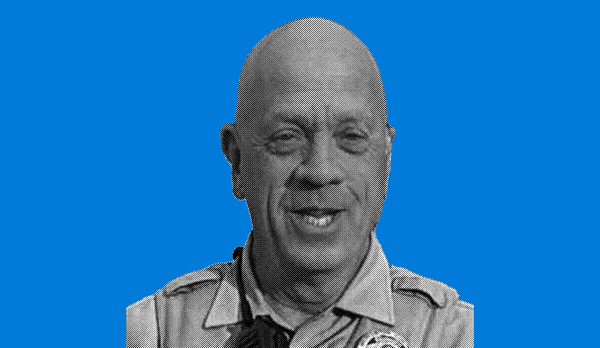
Deputy Charged for DUI Had Prior History With Multiple Jail Sentencings

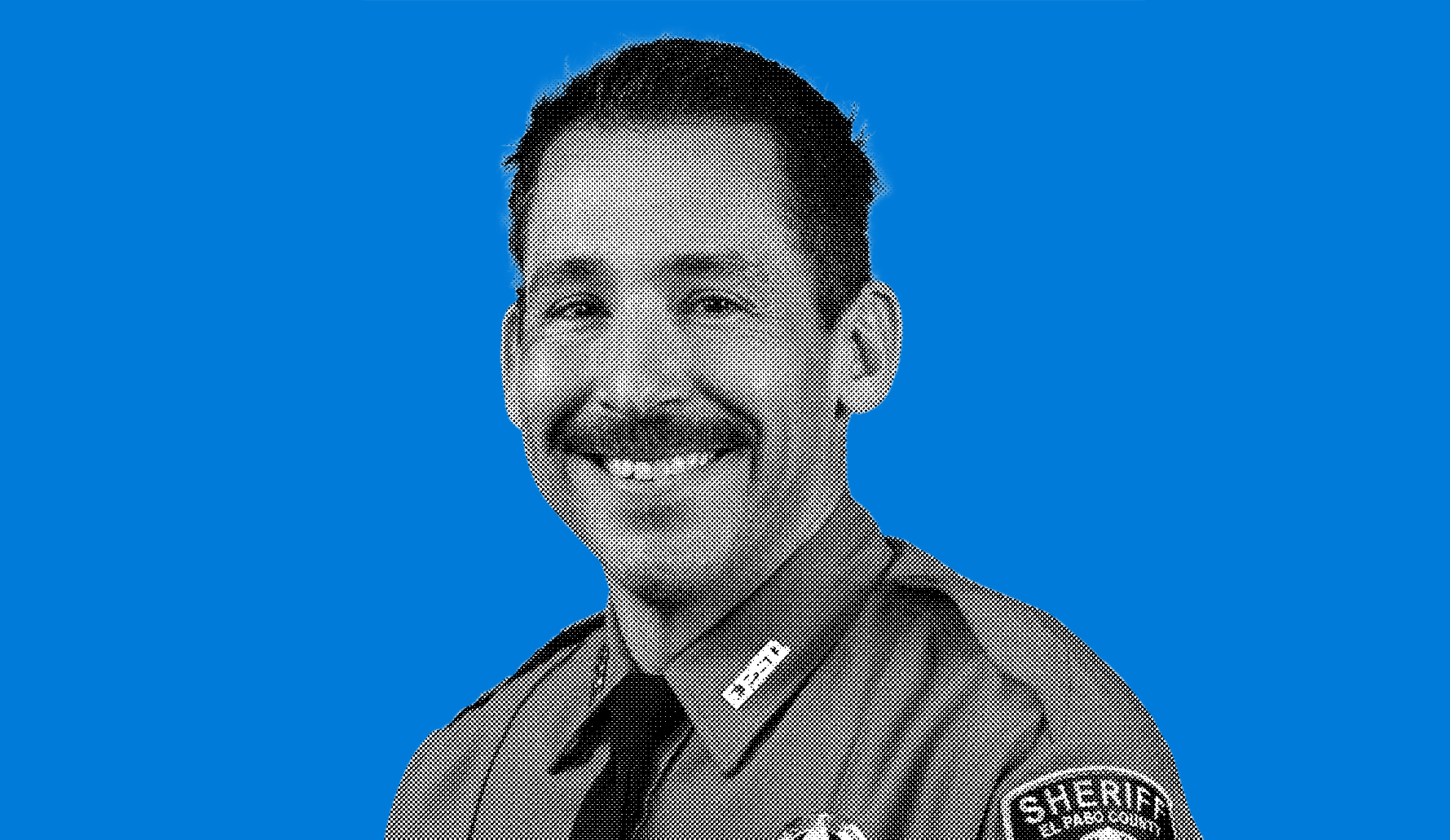
El Paso County Sheriff’s Office knew of Deputy David Smith’s drinking and driving history.
Two years ago, El Paso County Sheriff’s Office hired a detention deputy it was fully aware had previously gone to jail for a DUI. In August, the sheriff terminated him for his third summons in 16 years related to drinking and driving.
That deputy, David Smith, was charged that month with driving under the influence, careless driving, accident driving under the influence and prohibited use of weapons. According to his summons, he rear-ended a driver in Colorado Springs while allegedly under the influence of alcohol with his handgun in the driver-side door.
El Paso County Sheriff Joseph Roybal said in a statement regarding Smith soon after terminating him that every Colorado officer carries “immense authority and an equally great obligation to serve with integrity, professionalism, and accountability” and that “when a deputy fails to uphold those standards, I will take appropriate action to ensure accountability and maintain the public’s trust.”
But the sheriff’s office knew of at least Smith’s 2020 DUI conviction — of which he received a one year jail sentence — as Smith stated it on his job application to El Paso County as leading to his previous termination from Summit County Sheriff’s Office.
El Paso County would not remove redactions to further arrest information on Smith’s job application released to Blue Surveillance, claiming the criminal history is “part of the employee’s personnel file and background investigation, with an expectation of privacy.” It is unclear if any of the six “arrest incidents” redacted on the application were Smith’s 2010 conviction and six-month jail sentence for driving while ability impaired.
The El Paso Sheriff’s Office would not acknowledge whether it was aware of Smith’s prior convictions. Public Information Officer Sergeant Brittany Williams told Blue Surveillance that any specifics regarding Smith’s background check were “confidential.”
Williams additionally would not elaborate on what is considered disqualifying in the agency’s backgrounding around their motor vehicle check, but supplied a copy of their hiring guidelines which finds “any DUI/DWAI/DUID conviction” including deferred sentences within the past three years disqualifying.
Smith would not fall into that exception as his most recent DUI conviction before El Paso hired him was from September 2020, though his probation was not terminated until December 2021, according to court documents. Other El Paso traffic and driver’s license related disqualifications are also limited to within three years.
Soon after the El Paso County Sheriff’s office hired Smith in 2024 with this background and including the possibility of driving inmates, he worked through its Peace Officer Standards and Training academy and was successfully certified — a certification he still possesses and was able to receive because driving while under the influence, or any other driving related criminal charge below a felony, is not a decertifiable conviction.
Though El Paso Sheriff’s Office terminated Smith after his arrest in August, both agencies still hired Smith despite previous criminal convictions for drinking and driving charges.
Summit County Sheriff’s Office knew of Smith’s past 2010 conviction when the agency hired him in 2019. His job application describes leaving a restaurant in Lone Tree after studying and drinking with classmates and being arrested and charged with a DUI before it was lowered to driving while ability impaired.
Sergeant Michael Schilling, Summit County Sheriff Office’s public information officer, said the agency would not comment on any “specific personnel matter or decision” when asked about the agency rehiring Smith in 2024.
“Generally speaking, we take DUI convictions, and arrests, very seriously, and we look into all of that,” Schilling said. “But as the policy states, it’s also balanced with the applicant as a whole and the specific job requirements that person will have.”
Summit County Sheriff’s hiring guidelines for deputies also state that it reviews driving records, and disqualification guidelines require looking at the candidate as a whole including, in part, their “patterns of past behavior,” “severity of behavior,” “passage of time,” “probable consequences if past behavior is repeated or made public,” “likelihood of recurrence” and “relevance of past behavior to public safety employment.”
When asked in general about whether multiple DUIs would be considered a pattern of behavior, or cross the line into being disqualifying under the other aspects of the policy, Schilling again deferred back to the policy of “considering the candidate as a whole.”
Even so, Summit County Sheriff’s Office did rehire Smith four years after it terminated him for his second drinking and driving conviction. His second application to Summit County stated his reason for leaving the sheriff’s office before was a DUI. The agency has no mandatory disqualifications based on driving record or related crimes, nor minimum standards related to it.
El Paso County Sheriff’s Office then hired Smith in 2024 with two criminal convictions under his belt and a previous termination for one of those convictions. Even if DUIs were decertifiable though, Smith previously worked as an uncertified detention deputy — of which most are in Colorado — so there would not have been any certification to take away from him to stop his ability to work in jails.
But Smith wasn’t El Paso County Sheriff’s Office’s first hire with drinking and driving charges.

Deputy Rhys Ackart, who applied to the sheriff’s office in November of 2017, pleaded guilty to driving while ability impaired in January of 2011 and was sentenced to 180 days in jail and 12 months probation. Ackart has operated as a patrol deputy as recently as June 2025 according to El Paso County Sheriff’s Facebook page.
Again, similar to Smith, the agency would not remove redactions to Ackart’s criminal history from his job application claiming the information to be part of the “employee’s personnel file,” even as Colorado case law — Daniels v. City of Commerce City — specifically states that to be a personnel file, information must be similar to a home address and telephone number.
Ackart is currently still employed with the agency.